
When was the last time you changed your oil? 3,000 miles ago? 10,000 miles? How about—gulp—100,000 miles?
Recently, a car came into the Polk Bros’ Auto Care garage with the odometer signaling exactly that. While we addressed the issues, it highlighted the importance of regular oil changes and the utility of oil filters!
Driving 100,000 miles without changing the oil can dramatically accelerate engine wear and significantly shorten the lifespan of critical components. Motor oil lubricates all of the engine’s moving parts, lowering friction and helping to regulate engine temperature. Heat, moisture, and contamination build up over time to break down the oil, which degrades the oil’s ability to protect the engine. This can lead to serious engine damage and costly repairs, or even a full engine replacement.
That car that we mentioned above? At 100,000 miles without an oil change, the engine resembled one that had driven 200,000 miles:
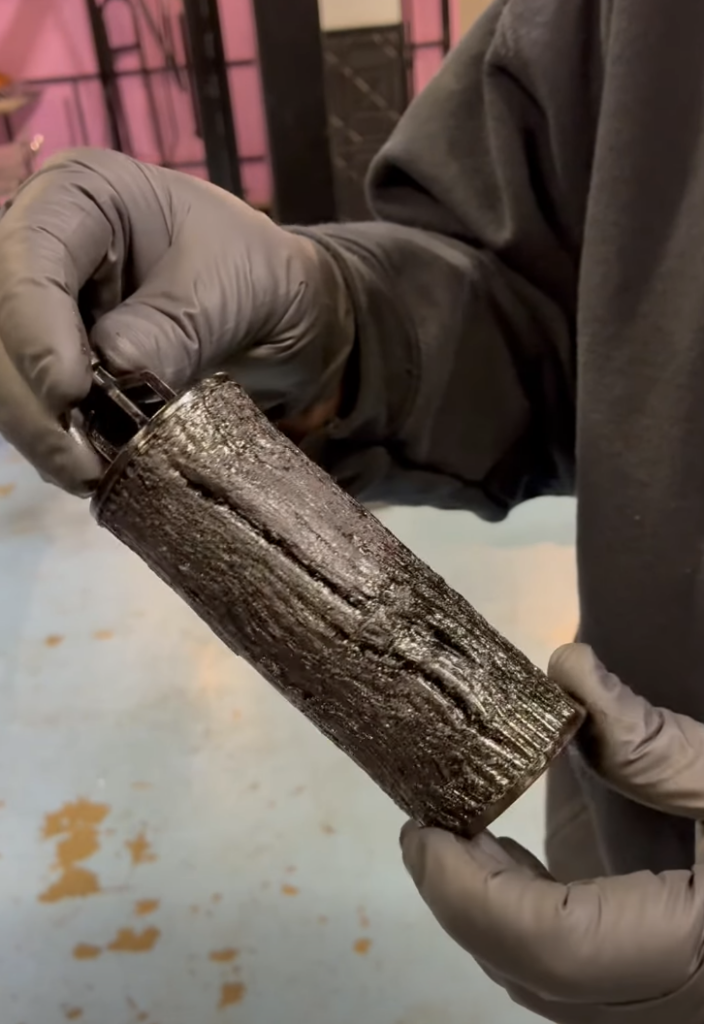
As Craig shows in the video, failing to change engine oil can make an oil filter look like the blackened, dessicated husk Craig gingerly holds in his gloved hands. An overused filter like this one is a clear and obvious sign of the dangers of idling on your oil change.
“Terrible,” he notes, turning the filter. “Your car is an investment…you really don’t want to be buying a motor or buying another car right now,”
For most modern cars using full synthetic oil, a change is probably necessary every 7,500 to 10,000 miles. Depending on where you live, an oil change can cost as little as $35 to as much as $125, a cost that is worth so much more than the backbreaking expenses associated with skipping a change.
One of these expenses could be a full engine replacement. Depending on make, model, age, availability, labor cost, and other factors, JD Power estimates the average cost of an engine replacement ranges anywhere from $2,000 to $10,000.
Oil filters can make an engine even more resilient. As oil circulates through the engine, the filter captures dirt, debris, metal particles, and other contaminants before the oil returns to lubricate vital engine components. A clean filter helps ensure proper oil flow and protects the engine from excessive wear.
The oil filter we removed from this car was completely clogged and saturated with contaminants. It was no longer performing its job effectively, restricting oil flow and reducing the engine’s ability to maintain proper oil pressure.
How important is an oil filter? Well, ask yourself this: How important are lungs to breathing?
Many drivers delay maintenance because of rising costs, whether it’s fuel, groceries, or other household expenses. That’s understandable. However, skipping an oil change to save money today can lead to repair bills that cost hundreds or even thousands of dollars tomorrow. Replacing an engine or major timing components is far more expensive than keeping up with routine service. Oil filters are key to keeping your engine happy and healthy as you keep up with consistent oil changes.
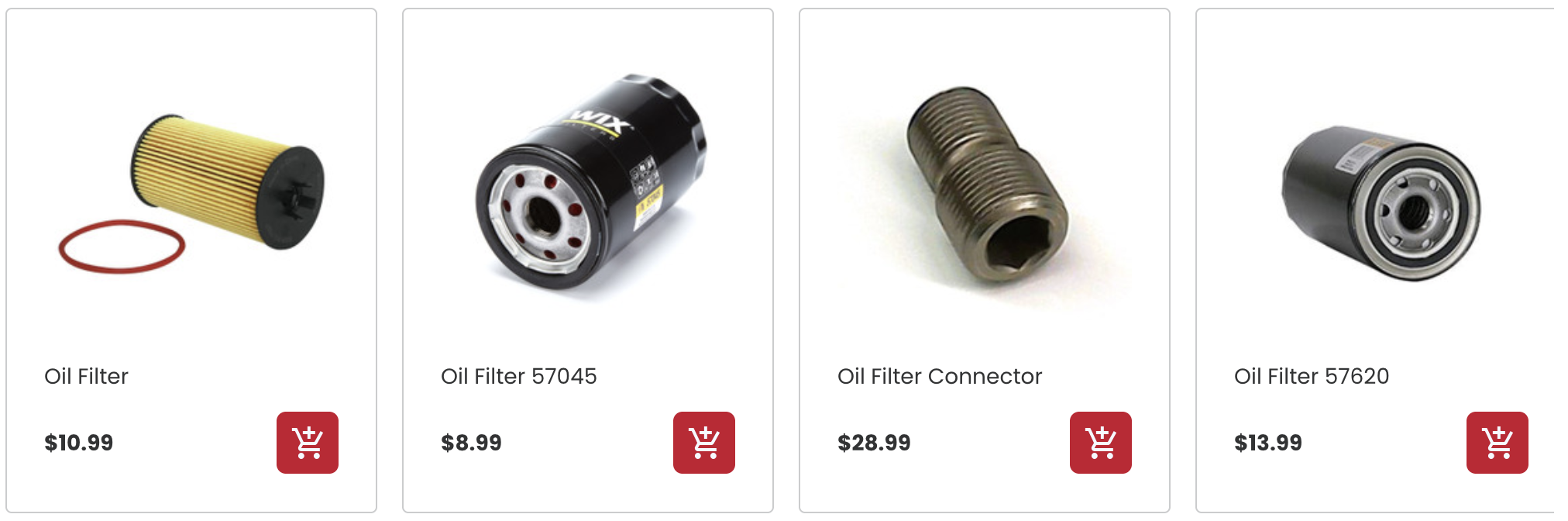
Check out Polk Bros’ Racing Equipment’s oil filters today! And if you’re local to Indianapolis, come in to our garage for an all-important oil change.
Dangers of a clogged oil filter
Restricted oil flow increases engine wear:
A clogged oil filter can’t circulate clean oil efficiently, reducing lubrication and allowing friction to wear down critical engine components faster.
Contaminants continue to damage your engine:
Once an oil filter becomes saturated, dirt, metal particles, and sludge can circulate through the engine, accelerating damage and shortening engine life.
Minor maintenance can turn into major repair bills:
Ignoring a clogged oil filter and delaying oil changes can lead to severe engine damage, with repairs costing thousands of dollars instead of the relatively low cost of routine maintenance.